
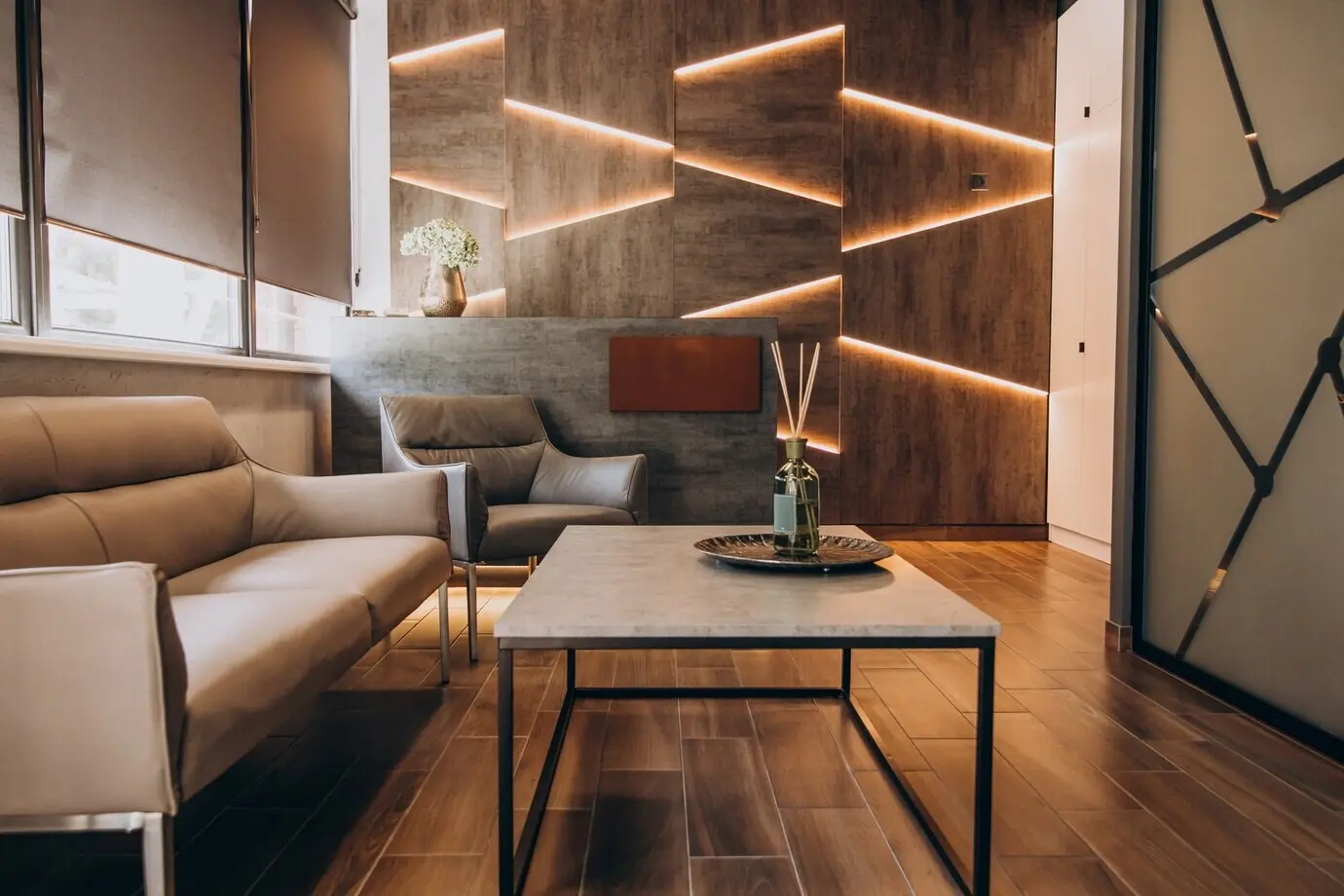
Art and Objects with Whispered Presence
Choose pieces that reward repeated looking—works on paper, ceramics, quiet landscapes. Hang slightly lower for intimacy, light them gently, and let negative space breathe. Rotate seasonally rather than accumulating. When objects carry stories of process and place, rooms gain companionship, not clutter, reinforcing the tender cadence of everyday, unhurried living.

Daily Care That Deepens Beauty
Adopt simple maintenance rituals: re-oil timber, brush wool rugs, and wipe stone with mild, pH-appropriate cleaners. Accept gentle patina as proof of life. A monthly hour of care prevents annual marathons. In giving attention, you slow down, listen to the home, and let surfaces mature alongside your routines, friendships, and celebrations.

Welcoming Guests Without Performance
Hospitality in quiet homes hinges on ease: a clear hook for a coat, a soft seat with good light, and tea within reach. Music at low volume, not perfection. Let materials and gentle order do the speaking, while you stay present. Friends remember how they felt, not what you displayed or meticulously arranged.